
A single quiz flow with five questions and dynamically curated result paths. Inline quiz expands into a focused interaction state before returning users to curated results.
Jared Inline Engagement Ring Style Quiz
End-to-end design and front-end implementation across desktop, tablet, and mobileAn inline PLP experiment designed and built to test style-discovery guidance for high-intent engagement shoppers.
Objective
Evaluate whether an inline style-discovery quiz on engagement ring PLPs could support decision-making and increase meaningful engagement without disrupting high-intent shopping behavior.
Goals
- Provide optional, in-context guidance for engagement ring shoppers who are uncertain about style.
- Encourage interaction with curated recommendations directly on the PLP.
- Measure engagement and downstream behavior to assess category fit across devices.
Hypothesis
If an optional, inline quiz was embedded directly within engagement ring PLPs, shoppers would complete the experience and engage more deeply with recommended products.
Year
2025
Client
Jared Galleria of Jewelers
Project Type
Front-End Development Interactive Experience Web Design
Role
End-to-End UX Design & Front-End Development
- Defined the experience concept and user flow.
- Designed responsive layouts in Figma for desktop, tablet, and mobile.
- Built and deployed the live experience using Dynamic Yield, HTML, CSS, and JavaScript.
Tools Used
Figma Dynamic Yield HTML CSS JS
Figma Links
An inline PLP experiment designed and built to test style-discovery guidance for high-intent engagement shoppers.
Objective
Evaluate whether an inline style-discovery quiz on engagement ring PLPs could support decision-making and increase meaningful engagement without disrupting high-intent shopping behavior.
Goals
- Provide optional, in-context guidance for engagement ring shoppers who are uncertain about style.
- Encourage interaction with curated recommendations directly on the PLP.
- Measure engagement and downstream behavior to assess category fit across devices.
Hypothesis
If an optional, inline quiz was embedded directly within engagement ring PLPs, shoppers would complete the experience and engage more deeply with recommended products.
Year
2025
Client
Jared Galleria of Jewelers
Project Type
Front-End Development Interactive Experience Web Design
Role
End-to-End UX Design & Front-End Development
- Defined the experience concept and user flow.
- Designed responsive layouts in Figma for desktop, tablet, and mobile.
- Built and deployed the live experience using Dynamic Yield, HTML, CSS, and JavaScript.
Tools Used
Figma Dynamic Yield HTML CSS JS
Figma Links
Experience Overview
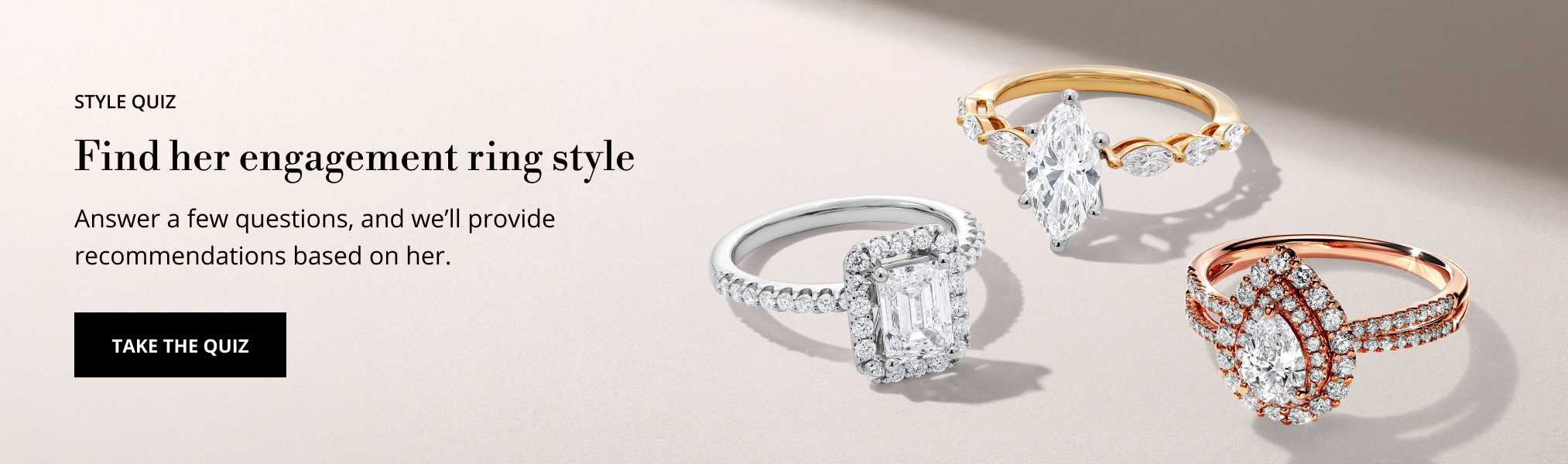

Responsive Design
A responsive experience designed for desktop, tablet, and mobile.
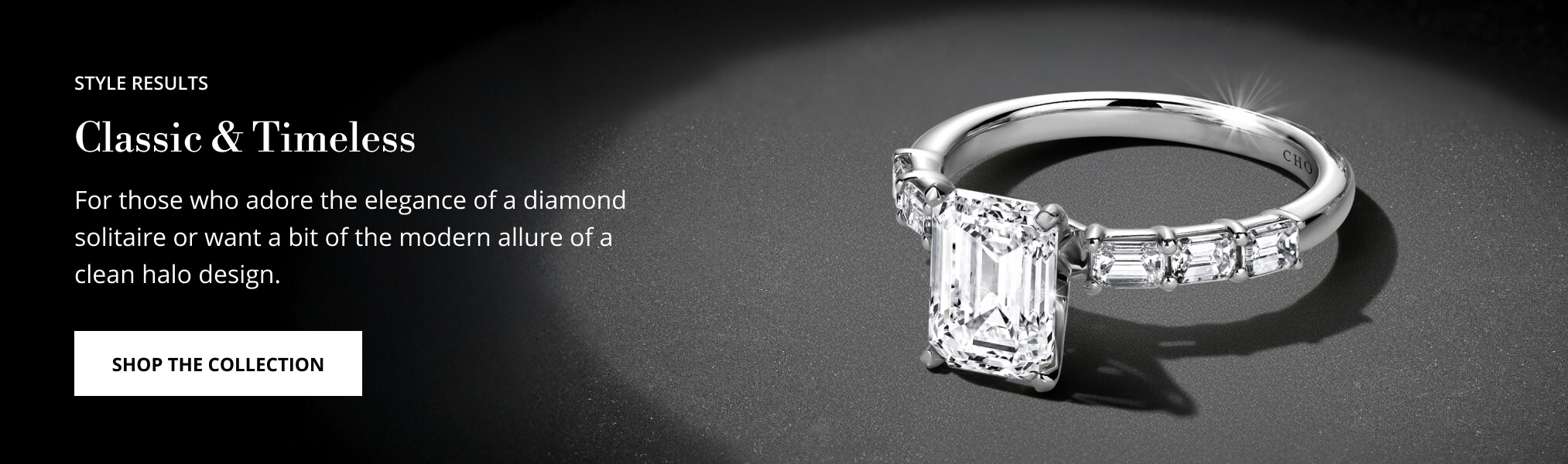
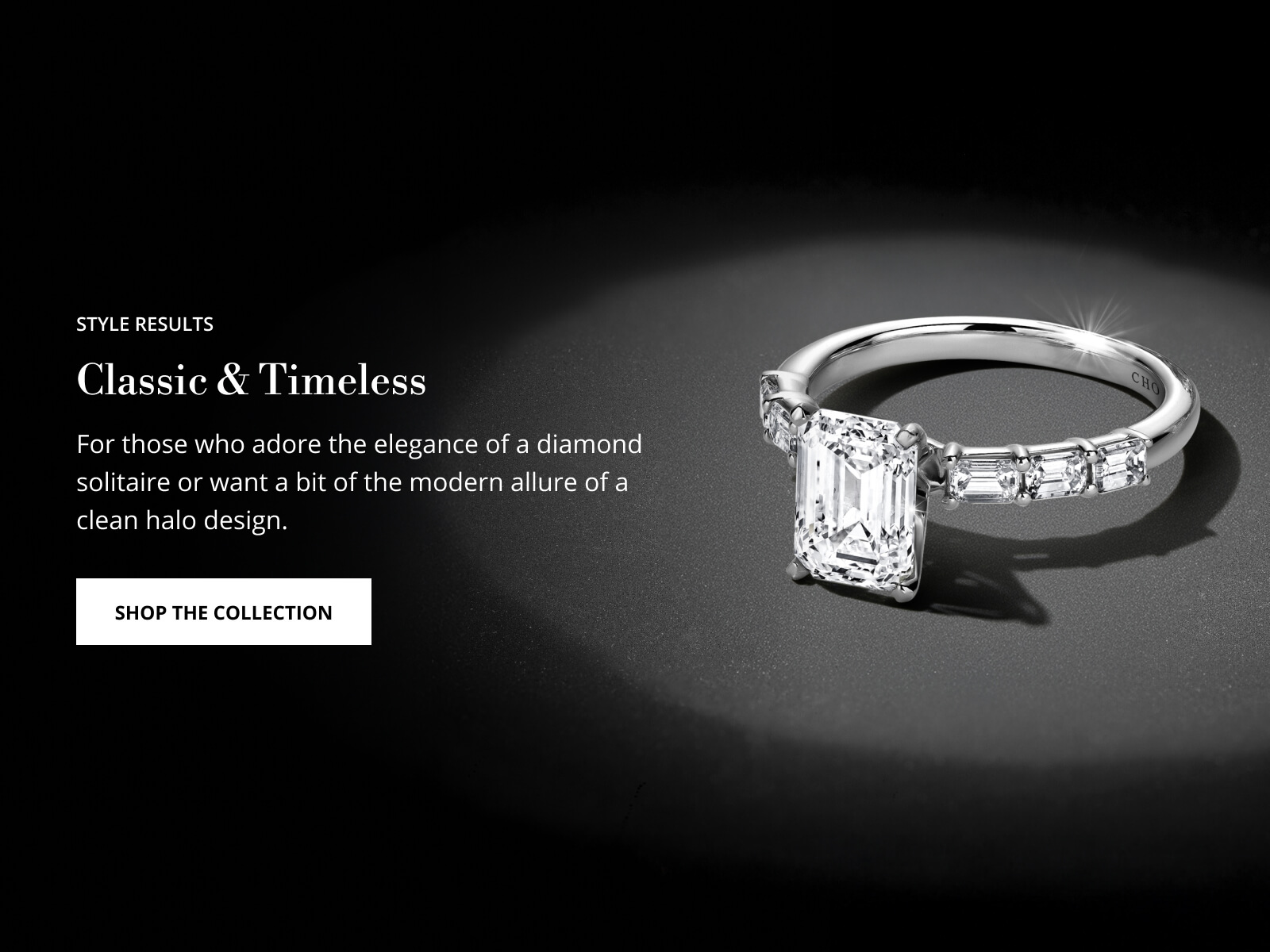
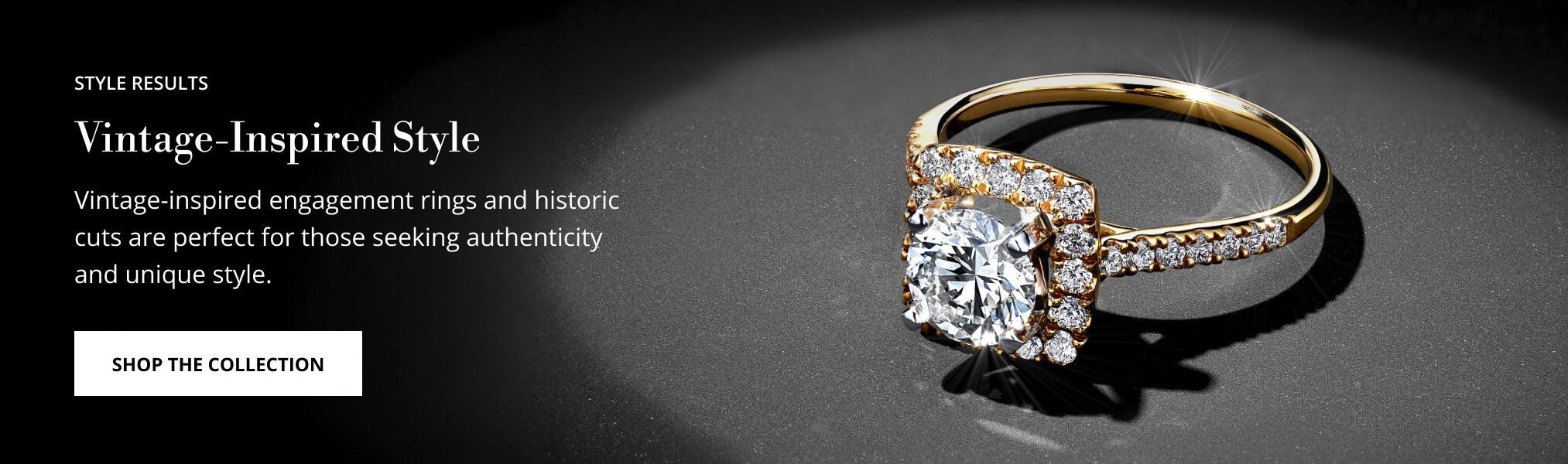
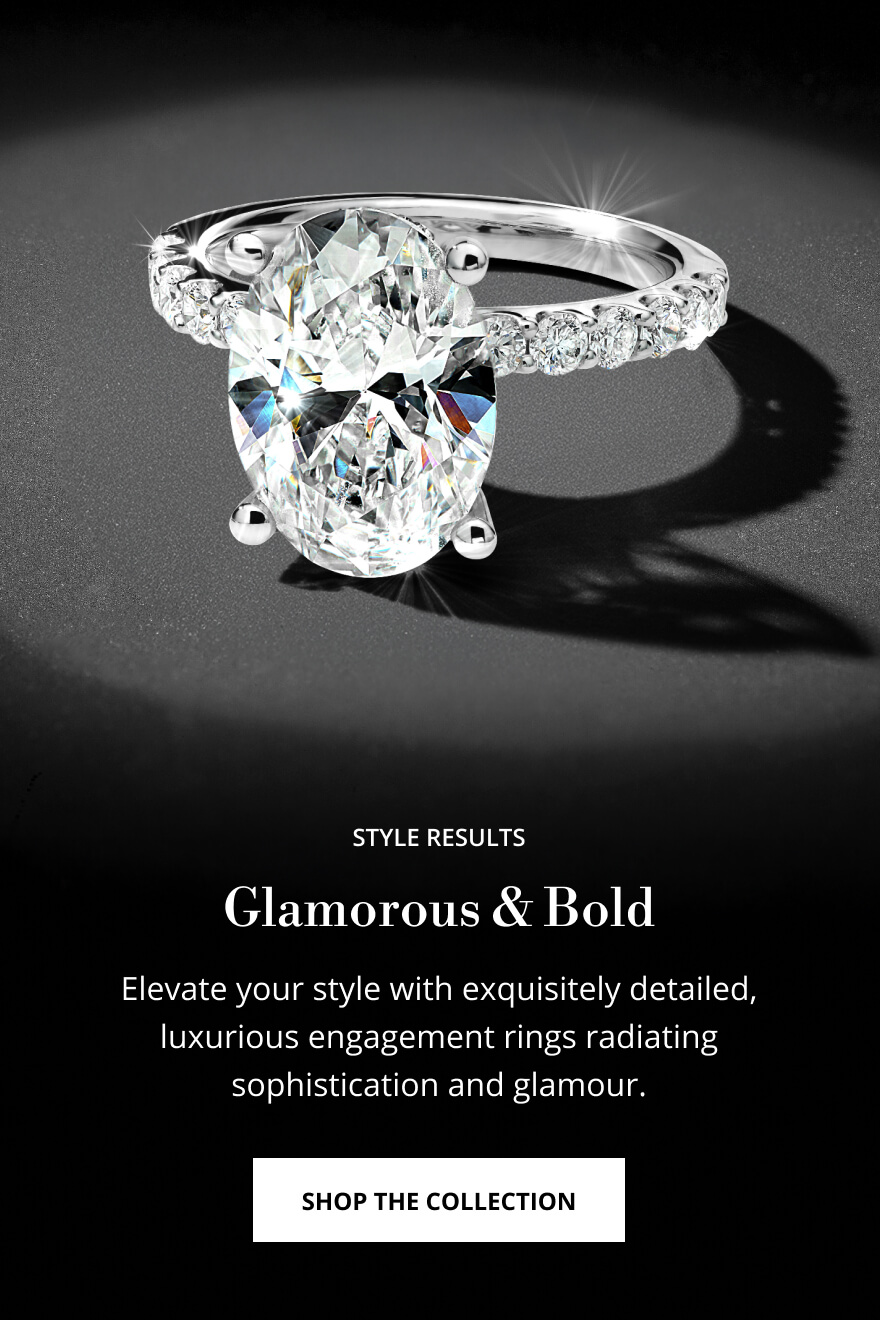
Example mobile result variations generated by quiz logic.
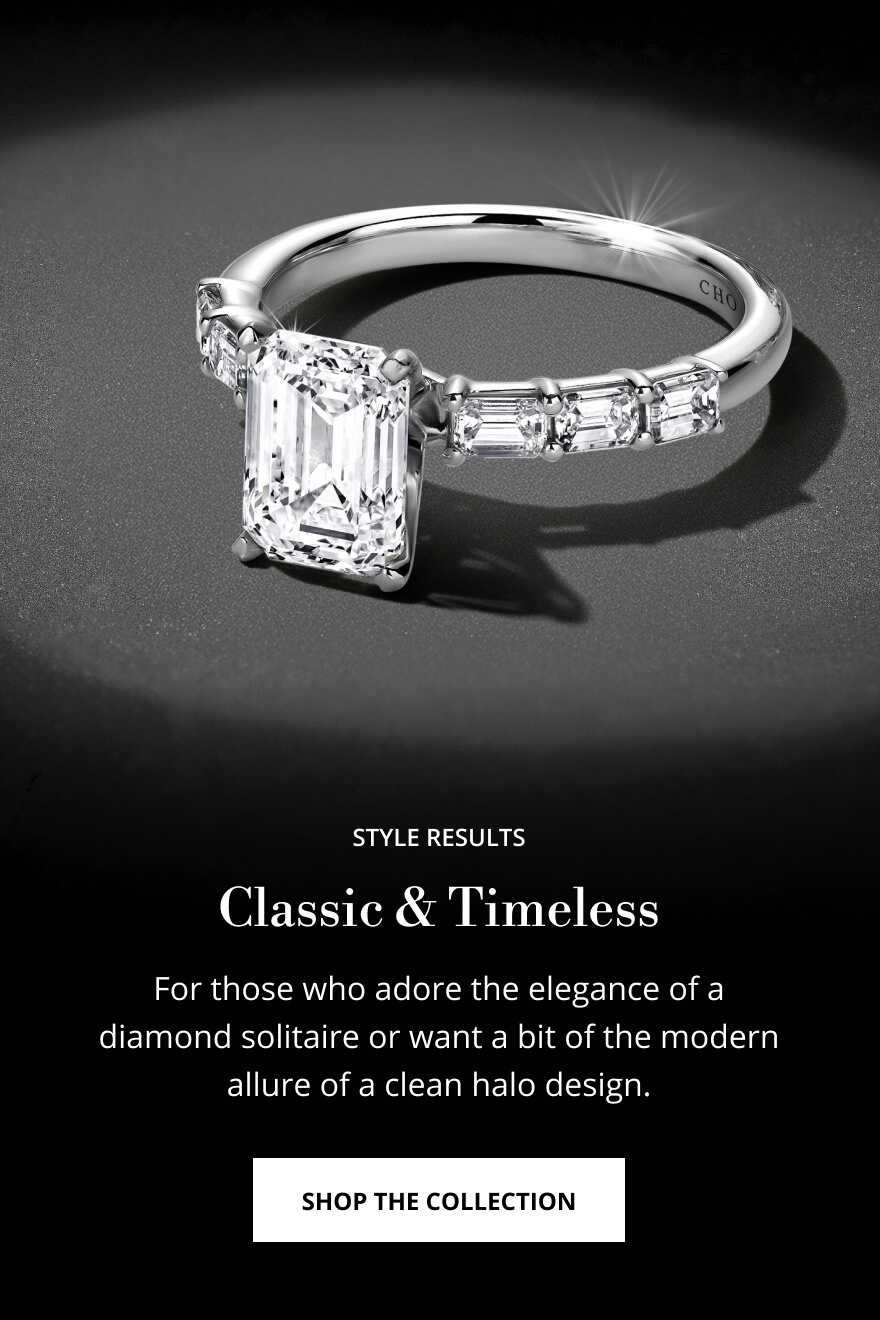
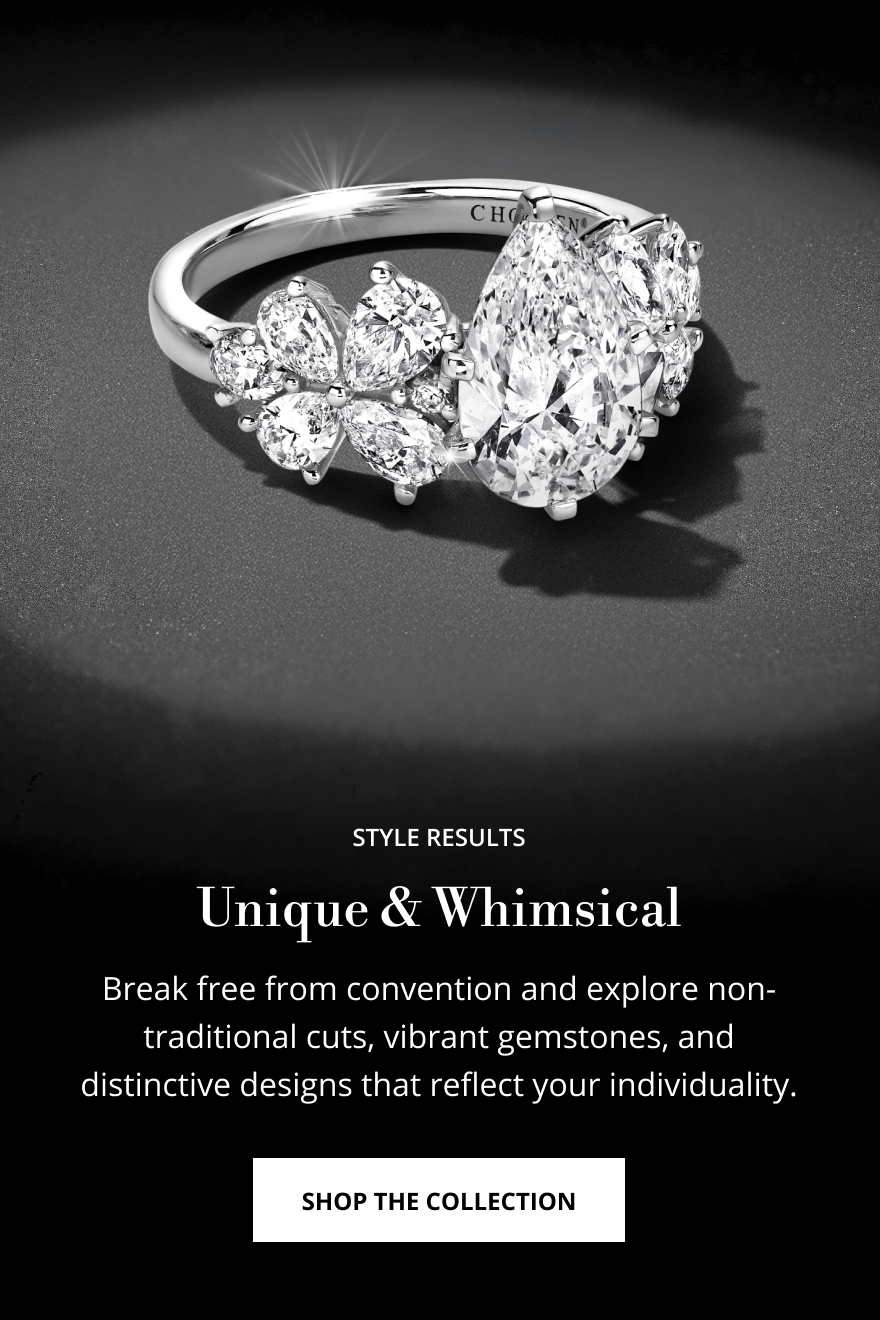
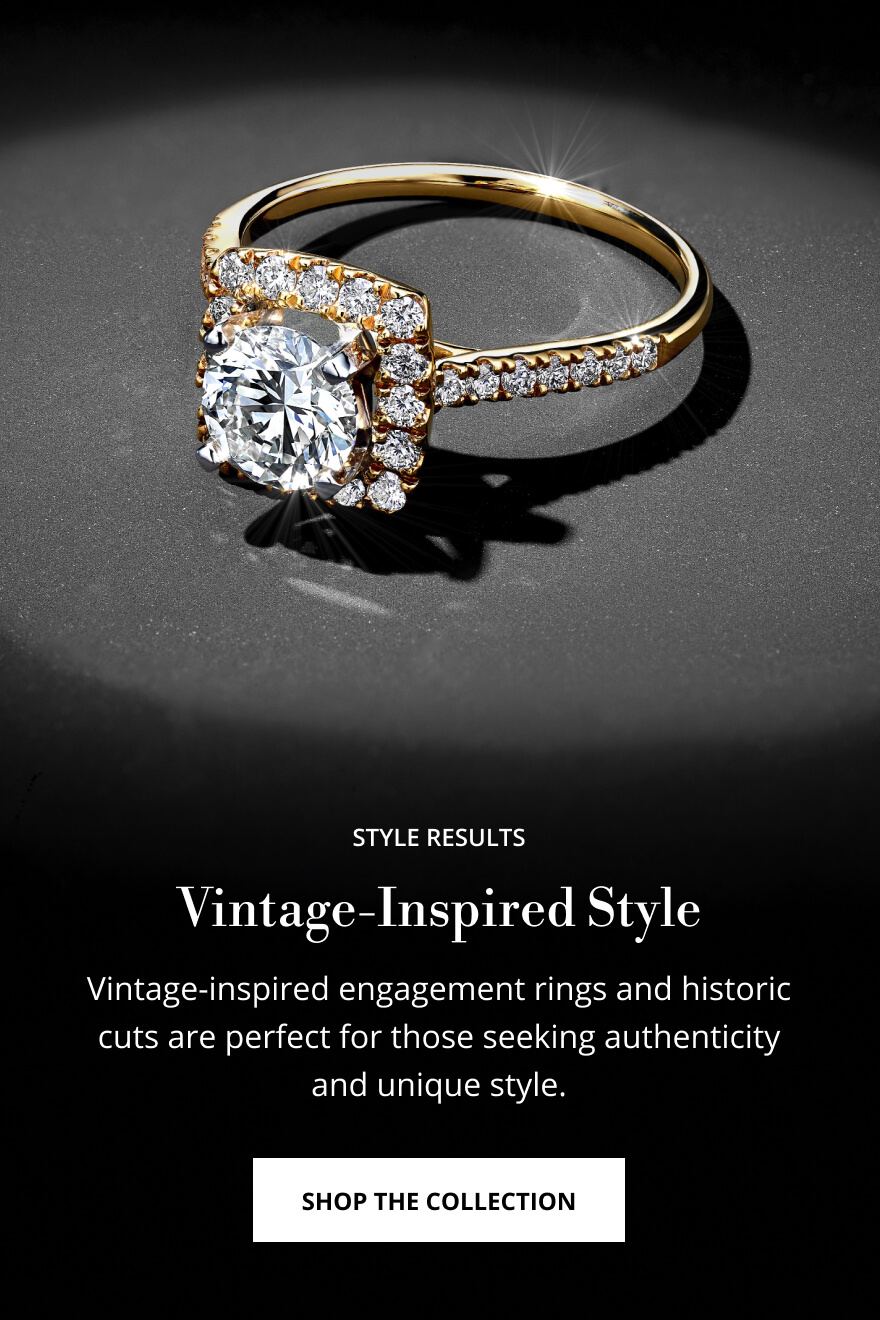
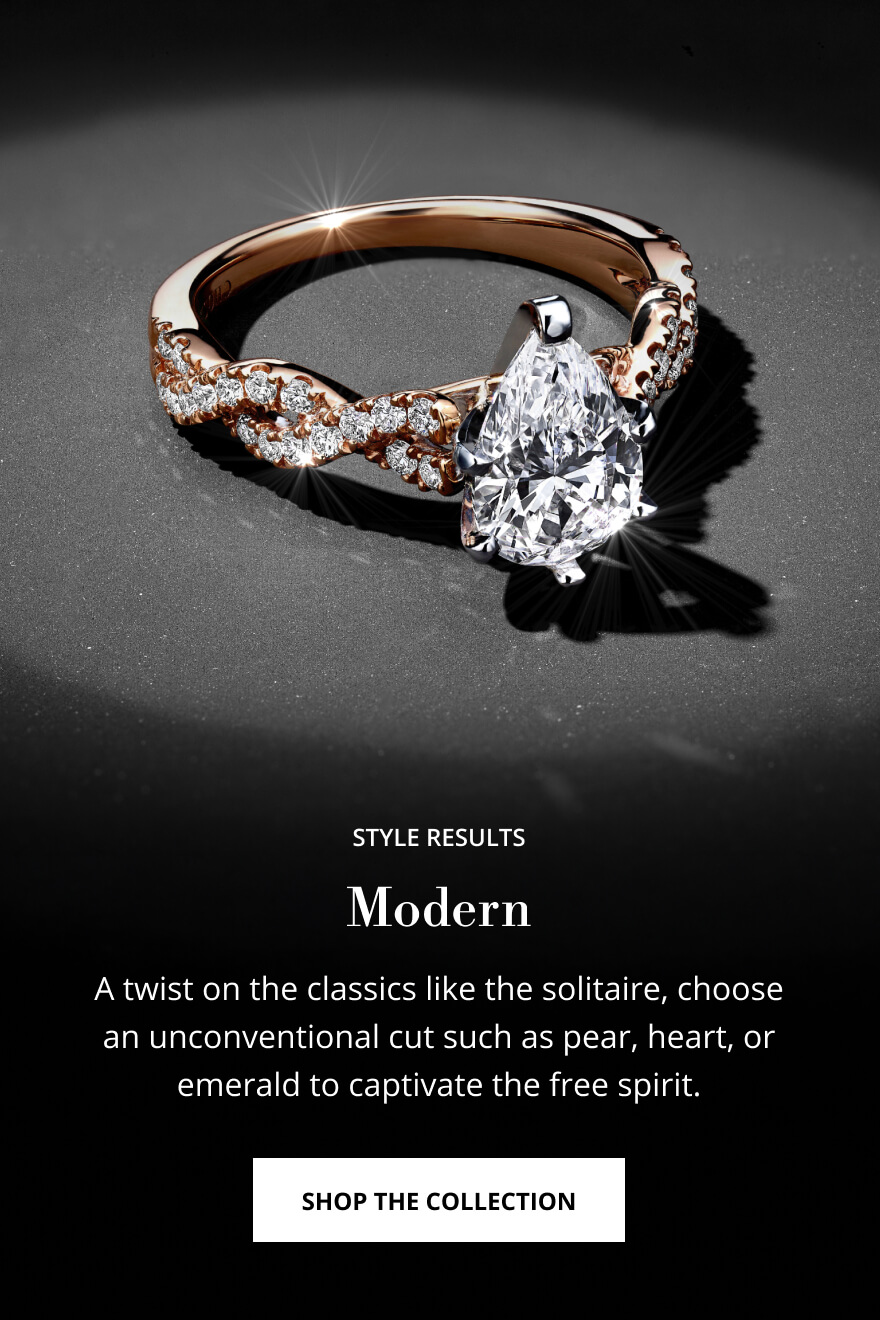
Live Experience (Production)
The following recordings show the live, production implementation built and deployed using Dynamic Yield.
Implementation & Delivery
From concept through execution, I owned the full experience: defining the flow, designing responsive layouts, producing visual assets, and implementing the final experience using Dynamic Yield with HTML, CSS, and JavaScript.
Deployed as a production-ready inline experience within Dynamic Yield, integrating responsive assets, client-side state management, and event tracking.
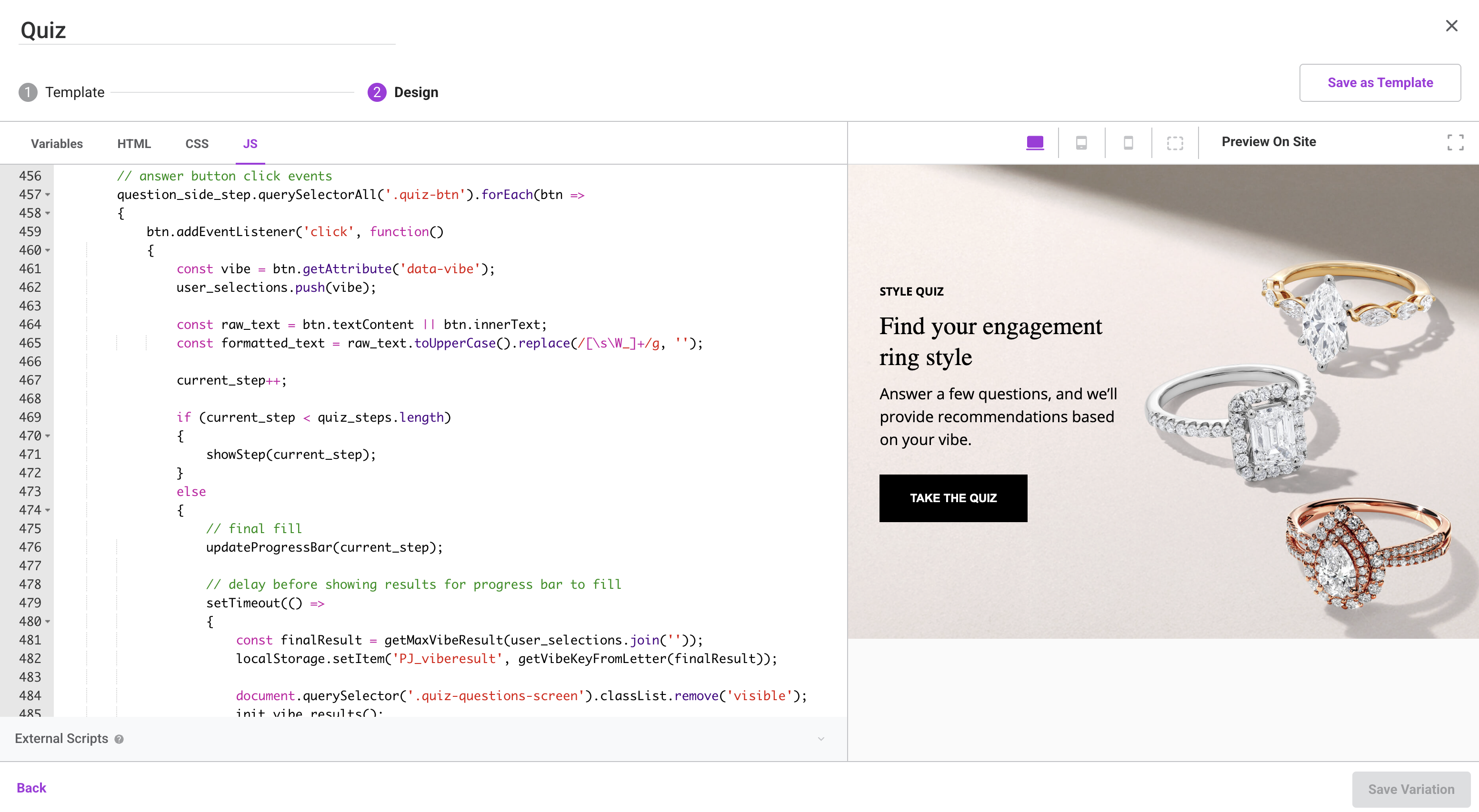
Dynamic Yield editor showing custom quiz implementation and live UI preview.
Result routing logic JavaScript
const finalResult = getMaxVibeResult(user_selections.join(''));
localStorage.setItem('PJ_viberesult', getVibeKeyFromLetter(finalResult));
init_vibe_results();
Results
- Once users opted into the quiz, completion rates were strong, with under 5% drop-off after starting.
- "Struggling" visitors completed the quiz at a significantly higher rate than general traffic.
- The experiment did not produce an immediate measurable lift in immediate conversion for engagement ring shoppers during the test window.
Reflection
This experiment reinforced that strong UX performance does not always correlate with immediate revenue impact, particularly in high-intent categories like engagement.
While the quiz experience itself validated the design and execution approach, the results highlighted the importance of category context. Discovery-driven tools are most effective when shoppers are still forming preferences rather than validating a decision already made.
Based on these learnings, this experience pattern was recommended for broader fashion and gifting categories, where uncertainty is higher and guided exploration provides greater value.